UNEP × IIFSR Initiative
Pro-nature agricultural policies are not just environmentally sound but economically viable.
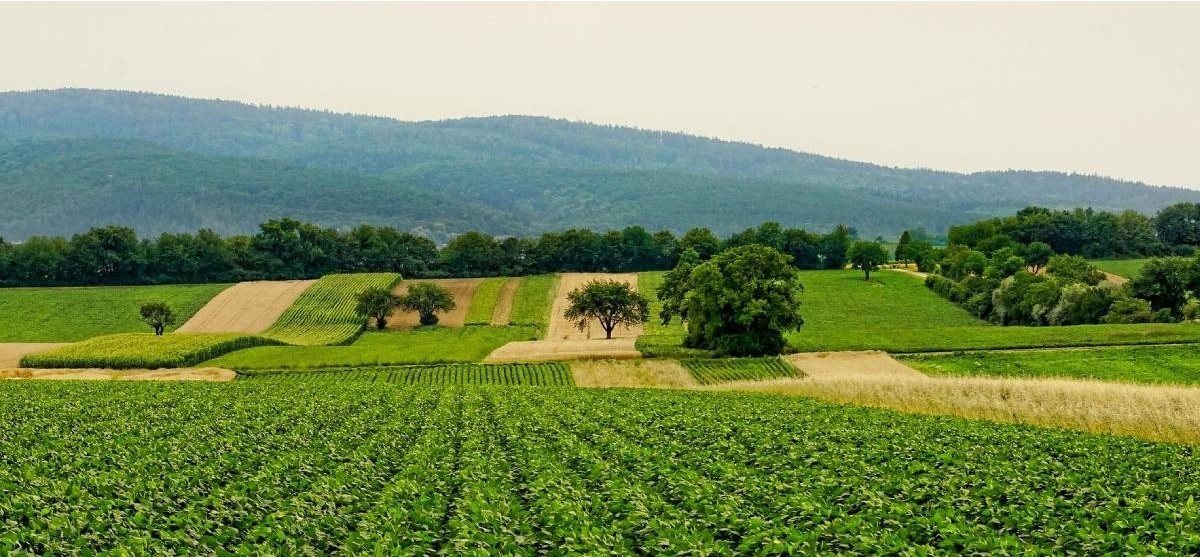
Biodiversity Conservation
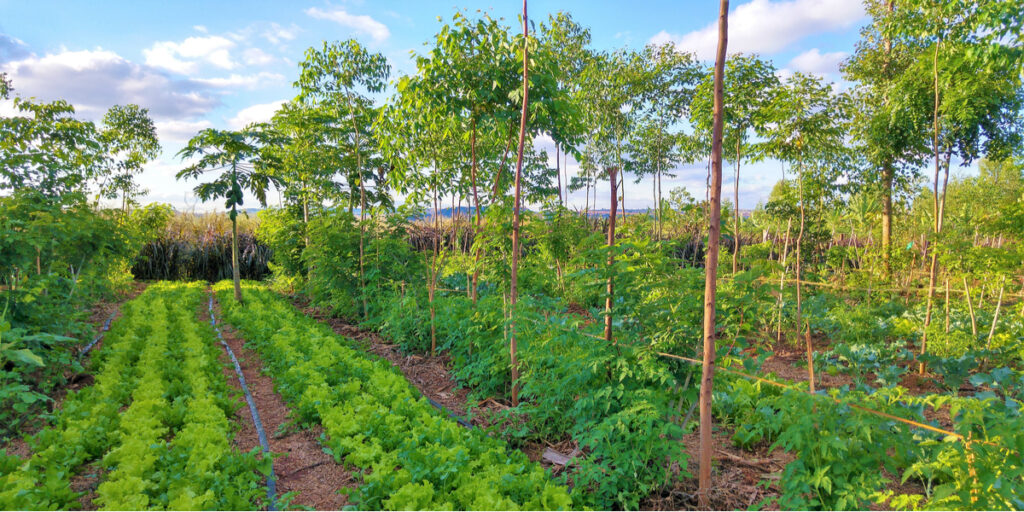
Sustainable agriculture can be profitable for farmers, restorative for the environment and resilient for communities.
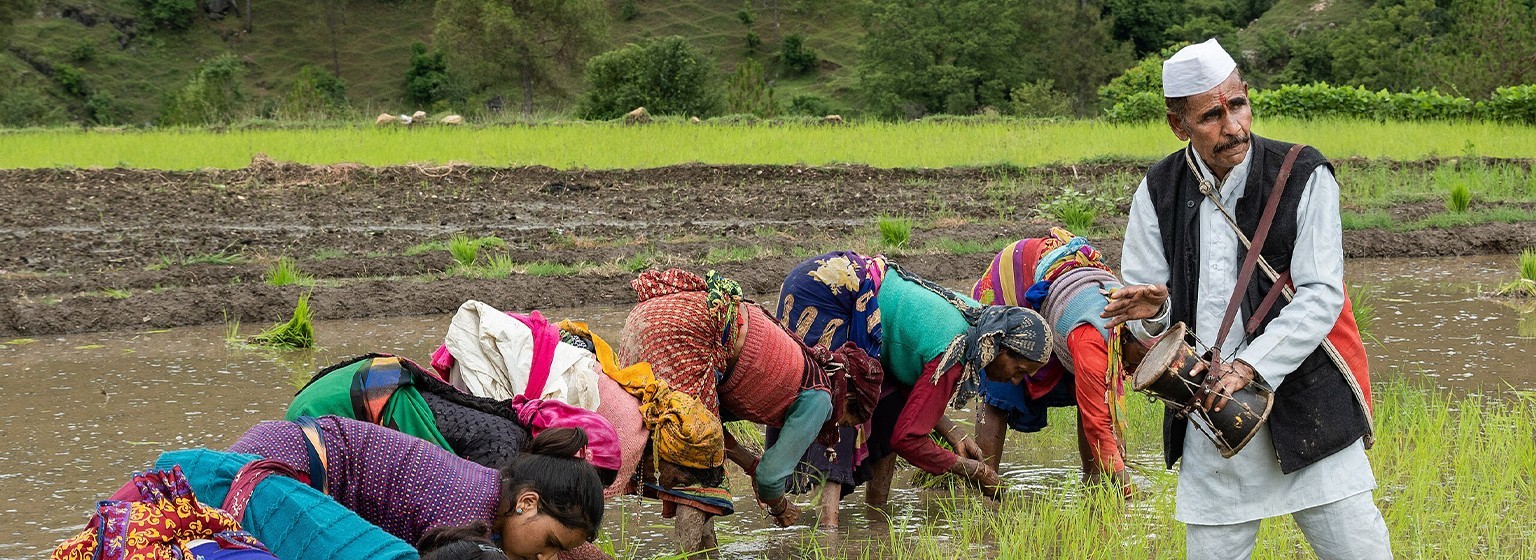
Climate Action
Transformation becomes not just an environmental imperative, but an economic opportunity that benefit communities who make farming possible.
Research & Science
Aligning economic success with ecological health and social well-being
About the TEEBAgriFood Project
The TEEBAgriFood Project is a transformative initiative dedicated to fundamentally reshaping India's
agricultural landscape through evidence-based economic valuation of biodiversity and ecosystem services.
Implemented by the UN Environment Programme (UNEP) with support from the IKEA Foundation, this initiative
operates in partnership with research institutions and government bodies to make a compelling economic case
for nature-positive agricultural policies.
Agriculture operates within interconnected systems where myriad impacts and dependencies remain unrecognized
and uncaptured in decision-making. By evaluating and valuing these impacts, we can build compelling economic
arguments for pro-nature policy interventions that deliver sustainable livelihoods and enhanced community
cohesion.
The TEEBAgriFood Framework represents a revolutionary approach to agricultural decision-making. Rather than
relying on traditional economic metrics, we employ a comprehensive four-capitals model that measures: Natural
Capital (Biodiversity, carbon sequestration, soil health, and greenhouse gas impacts), Produced Capital
(Infrastructure and technology systems), Human Capital (Knowledge, skills, and farmer capacity) and Social
Capital (Community networks and institutional structures)
Through rigorous economic valuation, we evaluate the positive and negative impacts of organic farming
and agroforestry across value chains, impacts that traditional accounting systematically overlooks despite
their significant contributions to the economy and livelihoods.
We bridge the critical gap between scientific evidence and policy action by making the true value of
farming visible and measurable. We believe that sustainable agriculture can be more profitable for farmers,
more restorative for the environment, and more resilient for our communities.
Our Focus Areas
The Four Capital Model
Natural Capital
Renewable and non-renewable natural resources and ecosystem services that underpin agricultural production. Includes soil health, water resources, biodiversity, pollination services, climate regulation, and nutrient cycling.
Human Capital
Knowledge, skills, health, and labor capacity of individuals. Encompasses farmer expertise, nutritional outcomes, worker wellbeing, education levels, and physical and mental health of agricultural communities.
Social Capital
Trust, norms, institutions, and networks that enable collective action. Includes community cohesion, gender equality, local governance structures, market access, and social safety nets.
Produced Capital
Man-made assets including infrastructure, equipment, technology, and facilities that support agricultural production and food distribution.
outcomes
Reports & Publications
 Paper
Paper
May, 2024
Accounting of carbon sequest ation and tradeoff under various climatic scenarios in alternative agricultural system: a comprehensive framework toward carbon neutrality
Read..
Paper
Mar, 2025
Prioritizing geographic parcels for improved catchment conservation using morphometry, landuse, and soil characteristics following statistical and MCDM techniques
Read..
Copyrights
Paper
November, 2024
Prioritizing geographic parcels for improved catchment conservation using morphometry, landuse, and soil characteristics following statistical and MCDM techniques
Read..
Paper
Mar, 2025
Evaluating landuse and climate change effects on current and future hydrologic response and its economic valuation in a North-Indian basin using SWAT
Read..
Technical Bulletin
2
States
9+
Districts
2700+
Farmers
Latest Stories
Events & Workshops
 Workshop
Oct 29-30, 2025
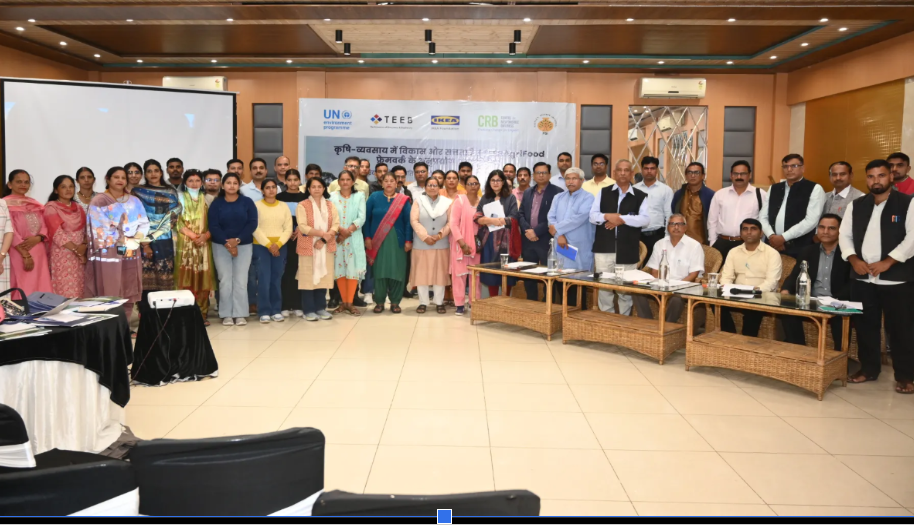
Workshop UNEP-CRB at Dehradun
The UN Environment Programme and the Centre for Responsible Business jointly organised a two-day training workshop in Dehradun, Uttarakhand, on “TEEBAgriFood Framework Application for Growth: Sustainability in AgriFood-Business – Linking Farmers, Enterprises, and Nature for a Sustainable Future.
Read Story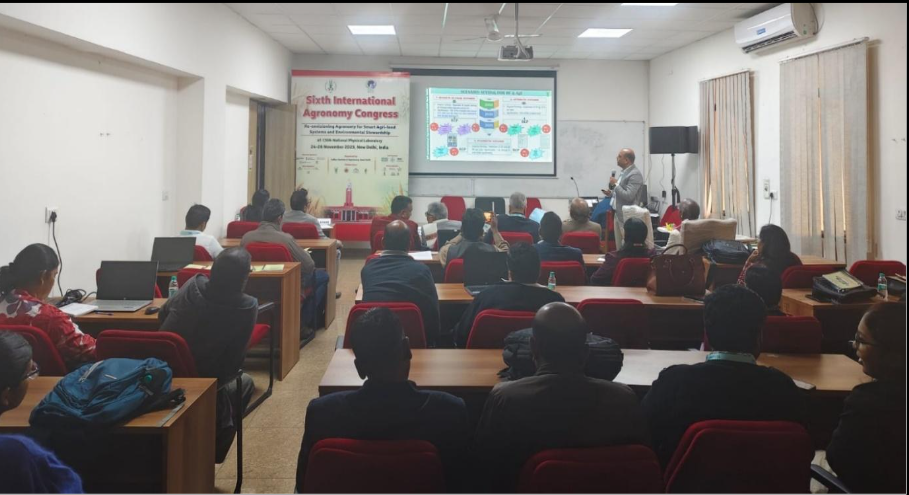 Agronomy Congress
November 24-25, 2025
6th International Agronomy Congress
Contribution to the 6th International Agronomy Congress and Meeting with UNEP Officials. The team participated in technical sessions, including an IWMI special session on multifunctional landscapes.
Read Story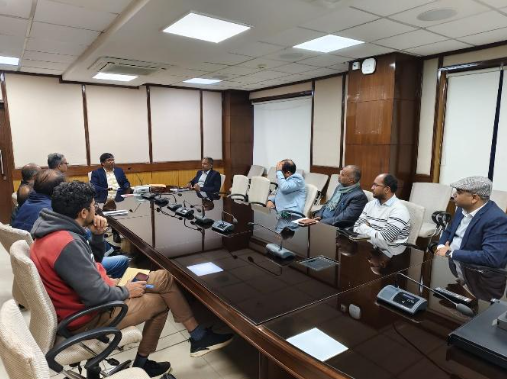 Meeting
December 22, 2025
Meeting with DDG, NRM, ICAR, New Delhi
A progress review meeting of the project “True Value Accounting: Making the Economic Case for Food Systems Transformation in India and Kenya”, funded by TEEB–UNEP, was held at the Division of Natural Resource Management (NRM), Krishi Anusandhan Bhawan-II, New Delhi under the chairmanship of the Hon’ble Deputy Director General (NRM), Indian Council of Agricultural Research, New Delhi.
Read Story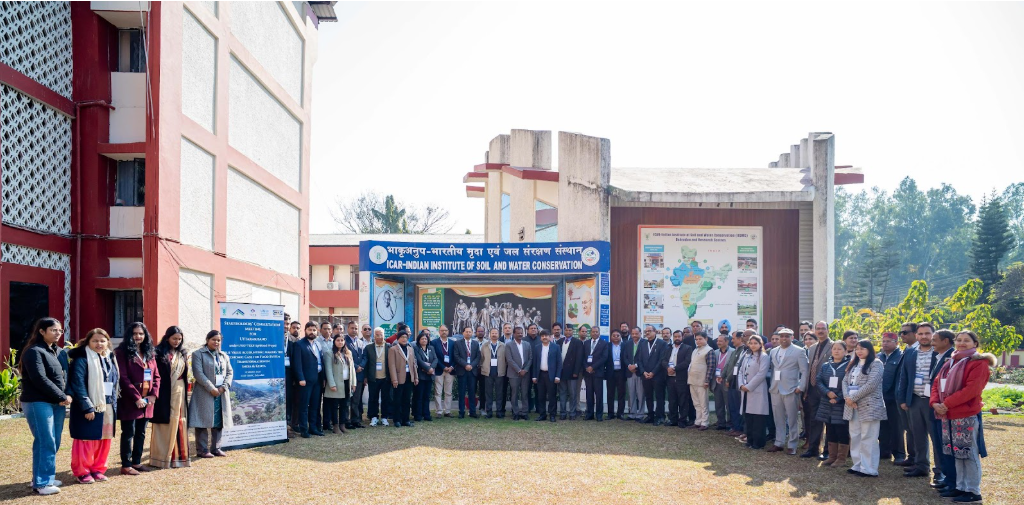 Meeting
January 19, 2026
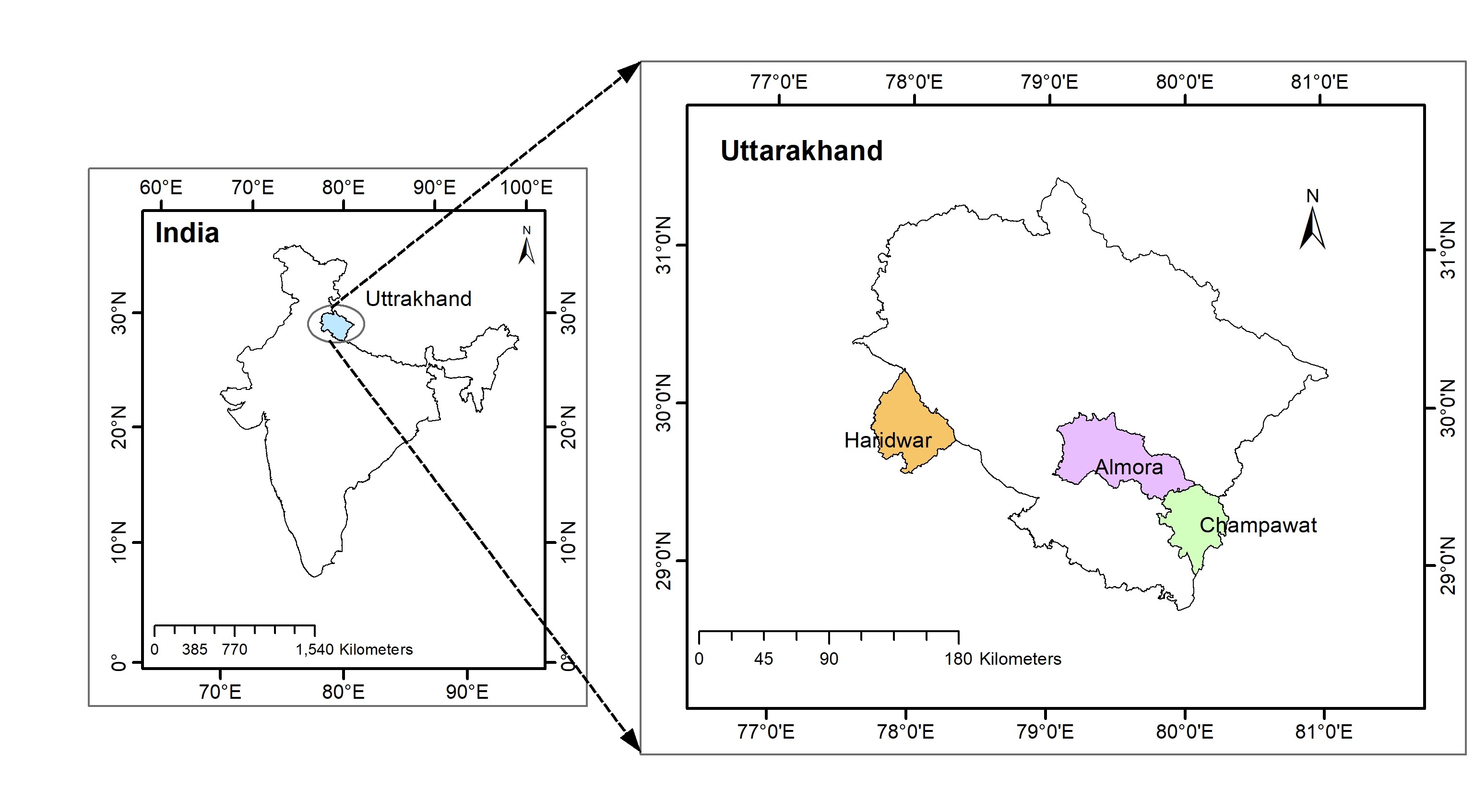
Stakeholders’ Consultation Meeting for the State of Uttarakhand, ICAR-IISWC, Dehradun
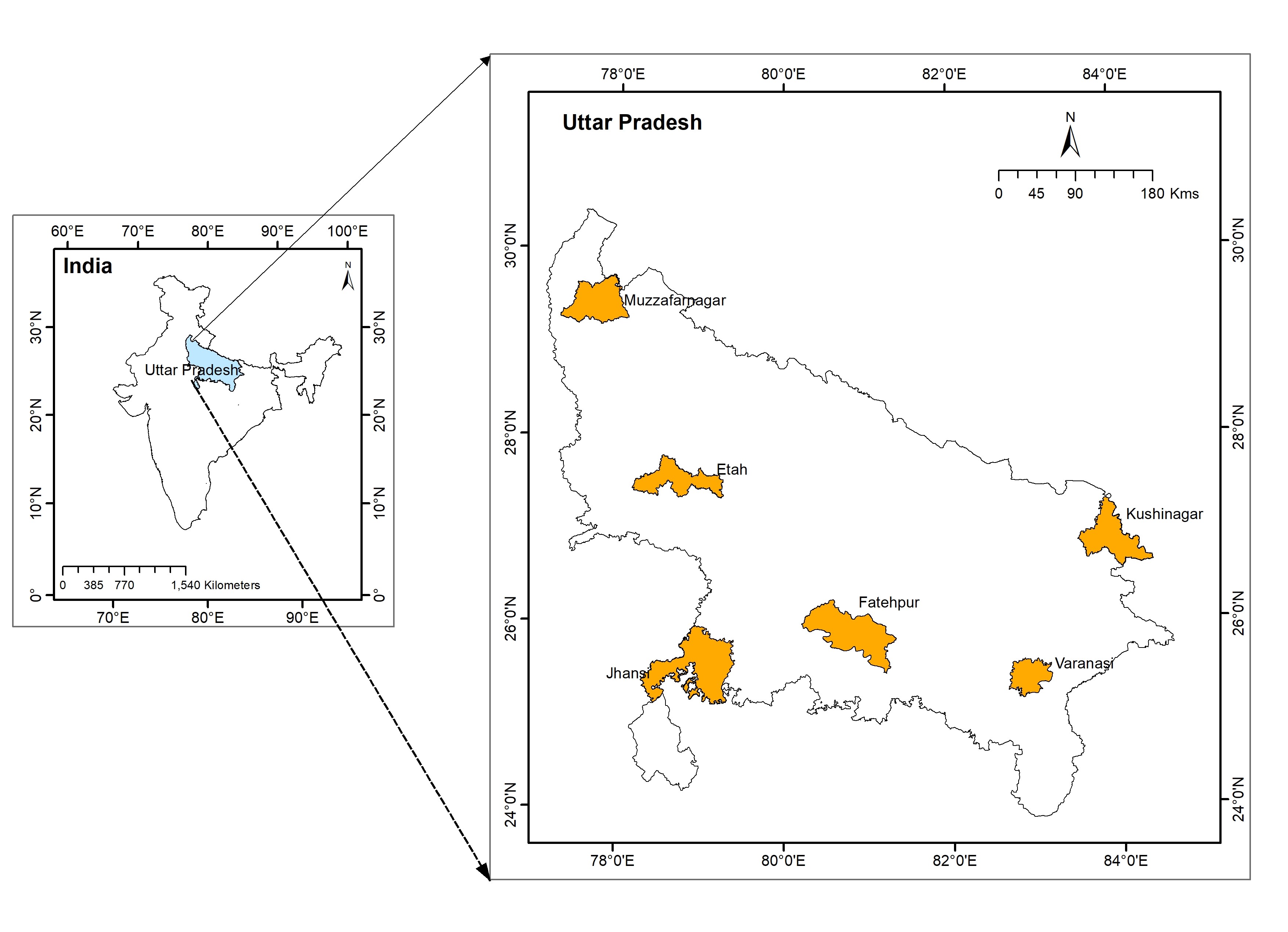
takeholder consultation held to discuss priorities of capital stocks for assessment and finalize future scenarios on organic farming and agroforestry in the study area for Uttarakhand”
Read Story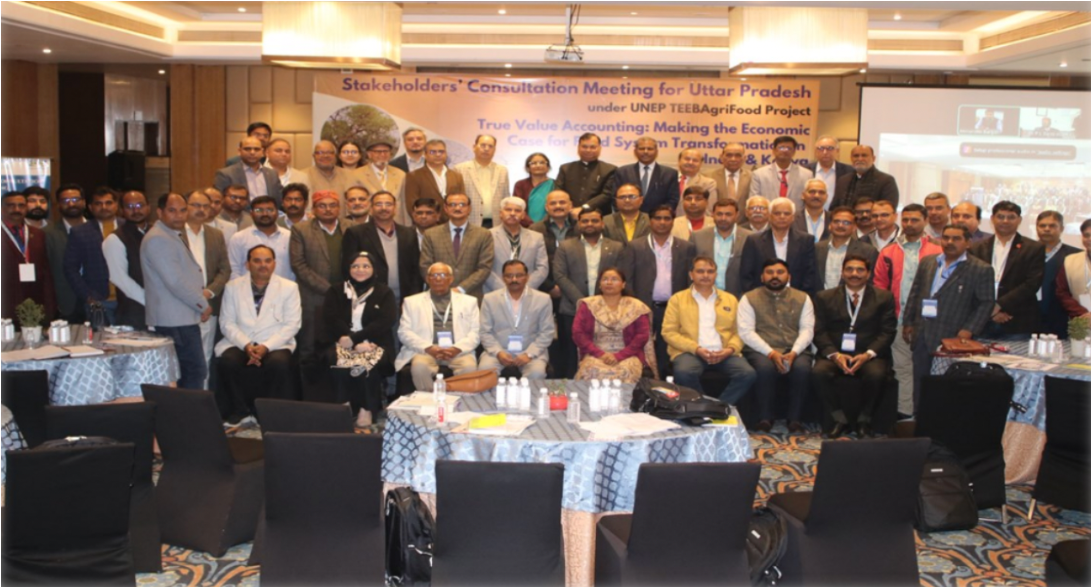 Meeting
January 29, 2026
Stakeholders’ Consultation Meeting for the State of Uttar Pradesh
Stakeholder consultation held to discuss priorities of capital stocks for assessment and finalize future scenarios on organic farming and agroforestry in the study area for Uttar Pradesh
Read StoryIn partnership with
Indian Grassland and Fodder Research Institute
Department of Agronomy, Banaras Hindu University
Institute of Vegetable Research Regional Research Station
KVK, Sardar Vallabhbhai Patel University of Agriculture and Technology
KVK, Etah
Indian institute of Soil & Water Conservation
Department of Agronomy, Chandrasekhar Azad University of Agriculture andTechnology
Department of Agriculture, Government of Uttar Pradesh
Department of Forest, Government of Uttar Pradesh
G.B. Pant National Institute of Himalayan Environment
Vivekananda Parvatiya Krishi Anusandhan Sansthan
Department of Agronomy, Govind Ballabh Pant University of Agriculture andTechnology
Department of Agriculture, Government of Uttarakhand
Department of Forest, Government of Uttarakhand